Understanding
Balanced Nutrition
An exploration of the foundational principles that shape dietary well-being — from macronutrients and food groups to historical perspectives and contemporary research.
Educational content only. No promises of outcomes.
The Science of Eating Well
Nutritional science is the study of how food components interact with living organisms. At its core, it examines the relationships between dietary intake, biological processes, and long-term well-being. Understanding these relationships provides a framework for interpreting the vast array of dietary information encountered in daily life.
The discipline draws from biochemistry, physiology, and epidemiology to build a picture of how different nutrients function. It does not prescribe specific regimens but rather describes mechanisms — how energy is derived from carbohydrates, how proteins contribute to cellular repair, how fats participate in hormonal processes.
Scientific consensus emphasises diversity, moderation, and context. No single food or nutrient operates in isolation, and the interplay between dietary components is a central area of ongoing inquiry.
Foundational Food Groups
Each food group contributes a distinct set of nutrients. A varied selection across groups supports comprehensive nutritional coverage.
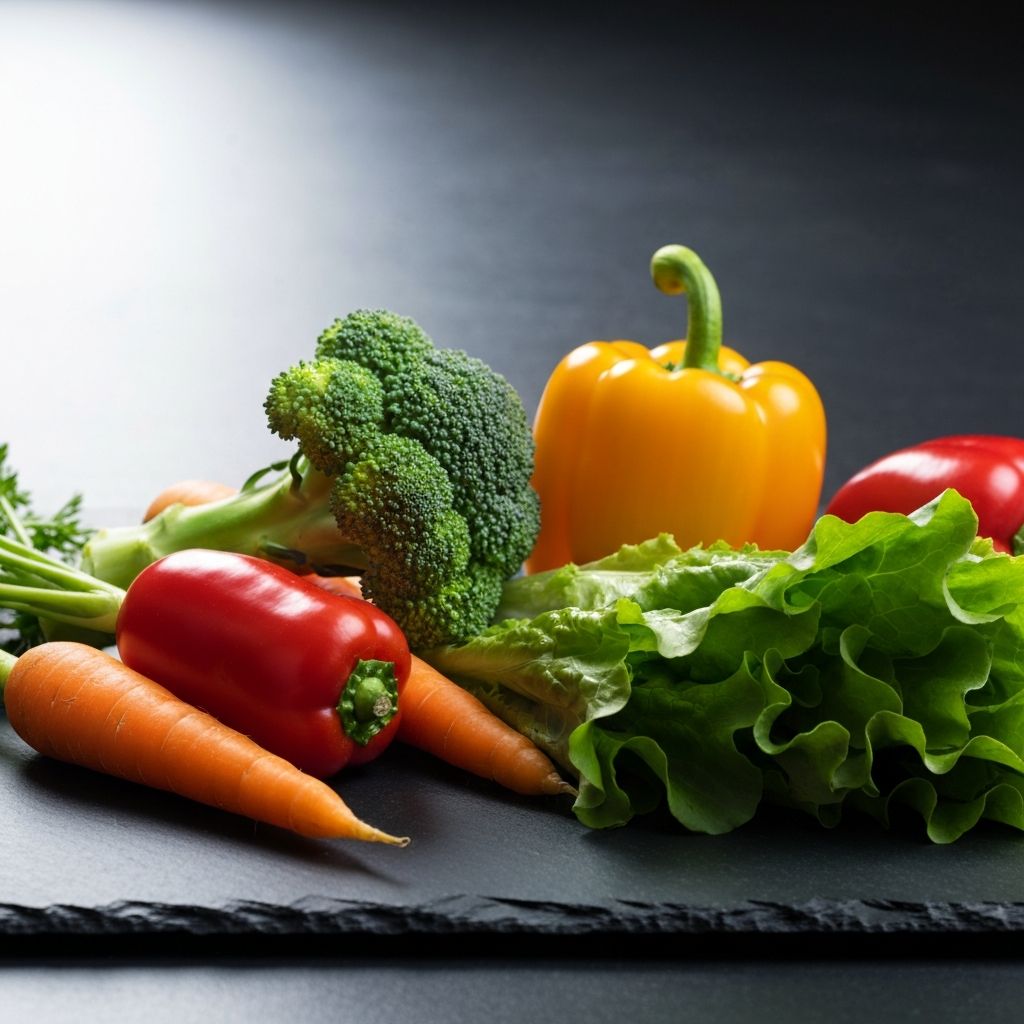
Vegetables
Rich in dietary fibre, vitamins, minerals, and phytochemicals, vegetables contribute significantly to long-term dietary diversity. Dark leafy greens, cruciferous varieties, and root vegetables each offer distinct nutritional profiles.
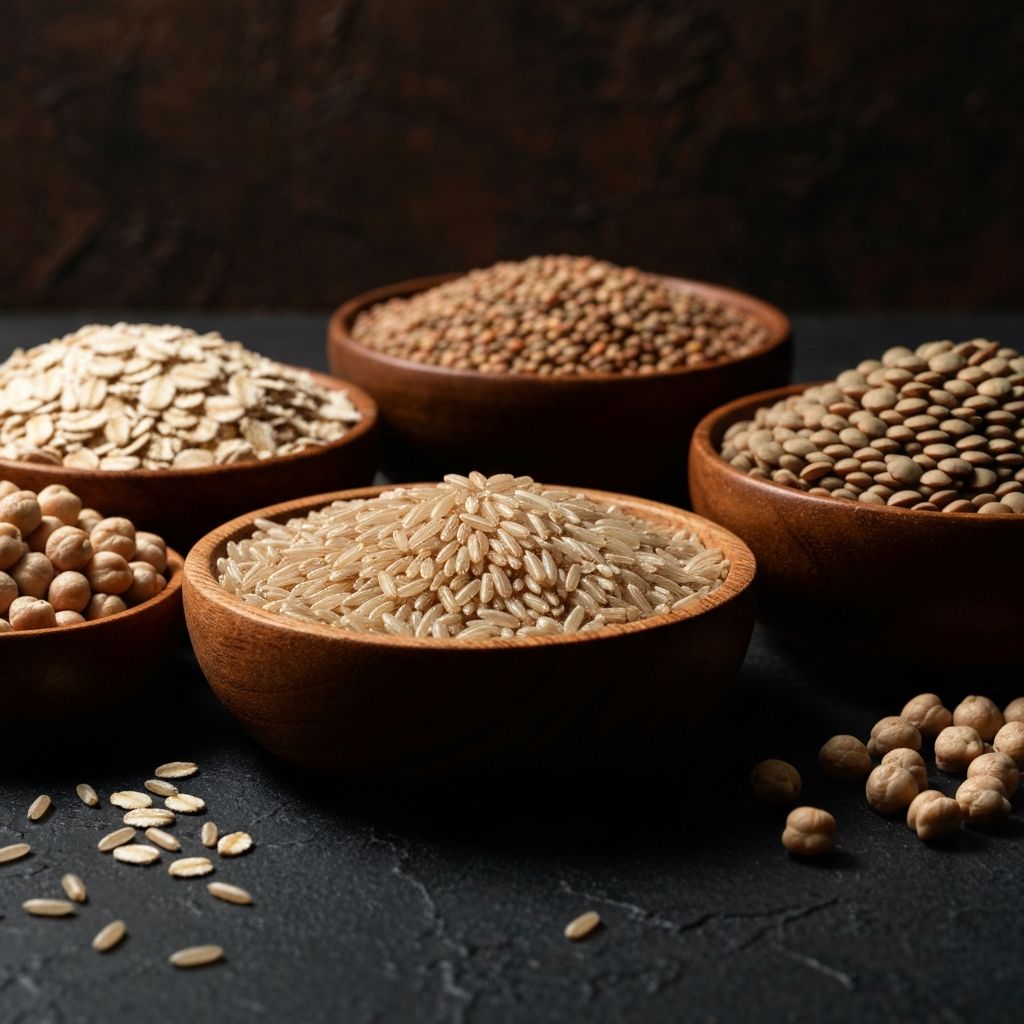
Whole Grains & Legumes
Whole grains retain their bran and germ, providing fibre, B vitamins, and minerals. Legumes — lentils, beans, and peas — supply plant protein alongside complex carbohydrates and iron.

Fruits
Fruits provide natural sugars alongside fibre, vitamin C, potassium, and a wide range of antioxidants. Seasonal variety maximises nutritional diversity and supports ecological sustainability.
Historical Perspectives on Diet
Human dietary patterns have evolved across millennia, shaped by geography, agriculture, technology, and cultural exchange. Examining these historical trajectories illuminates the diversity of viable dietary approaches.
Read MoreForaging and Hunter-Gatherer Patterns
Early human diets were characterised by seasonal availability and wide variation. Populations consumed a broad spectrum of plant foods, insects, and animal sources depending on geographic context.
The Emergence of Staple Crops
The domestication of grains, legumes, and livestock fundamentally altered human nutrition. Settled communities developed distinct culinary traditions based on locally cultivated staples.
Processed Foods and Global Trade
Industrialisation enabled mass food production, extended shelf life, and global ingredient exchange. This era also introduced refined carbohydrates and modified fats at scale.
Evidence-Based Dietary Guidelines
Modern nutritional science contextualises historical patterns within epidemiological research, identifying associations between dietary patterns and population-level well-being outcomes.
Understanding Dietary Terms
Nutritional terminology can appear complex. The following glossary defines key concepts encountered across dietary literature and research publications.
Understanding these terms enables more informed engagement with nutritional information and supports critical evaluation of dietary claims.

The Role of Hydration
Water constitutes approximately 60% of the adult human body and participates in virtually every physiological process. From nutrient transport to temperature regulation, adequate fluid intake is a fundamental component of dietary well-being.
The appropriate level of hydration varies by individual, climate, activity level, and dietary composition. Foods with high water content — cucumbers, tomatoes, watermelon — contribute meaningfully to overall fluid intake alongside direct beverage consumption.
A Note on Hydration Sources
Plain water remains the most straightforward hydration source. Herbal infusions, diluted fruit juices, and water-rich foods all contribute to daily fluid balance in varying proportions.
Navigating Dietary Information
The volume of dietary information in circulation — from research publications and health organisations to popular media and online platforms — presents a significant challenge for informed evaluation. Not all sources apply equivalent standards of evidence or transparency.
Several principles support more discerning engagement with dietary claims:
-
1
Source credibility: Peer-reviewed research and guidance from established nutritional bodies carry more evidential weight than anecdotal accounts or commercially motivated content.
-
2
Study design: Large-scale epidemiological studies and systematic reviews provide stronger evidence than single small-scale trials or observational case studies.
-
3
Language scrutiny: Claims using absolute terms ("always", "proven", "guaranteed") warrant heightened critical attention, as nutritional science rarely produces such certainties.
-
4
Contextual application: Nutritional findings apply at population level. Individual variation in genetics, lifestyle, and health status significantly influences how dietary principles translate to personal contexts.
Physical Activity and Nutrition Synergy

Everyday Movement
Regular moderate movement — walking, cycling, gardening — supports cardiovascular function and is associated with more consistent energy balance throughout the day.

Mindful Practice
Gentle, mindful activities such as yoga and stretching support body awareness and may encourage more attentive approaches to both movement and nourishment.

Culinary Engagement
Food preparation itself constitutes a form of purposeful activity. Home cooking fosters understanding of ingredients and supports more varied, whole-food dietary patterns.
Nutrition and physical activity interact at the cellular level. Macronutrient utilisation patterns shift with activity intensity and duration, while adequate nutritional variety supports recovery and sustained participation in movement. These interactions are descriptive — the specifics vary considerably by individual context.
Frequently Asked Questions
Common questions about nutrition and dietary concepts, addressed in informational terms.
The following responses are informational in nature and do not constitute personal dietary advice. Individual circumstances vary considerably.
Discover the Research
Explore our collection of articles covering whole grains, plant proteins, micronutrients, digestion, mindful eating, and more.
Explore Our ArticlesInformation, Context, and Limitations
All content published on this website is informational in character. The materials describe nutritional concepts, summarise research perspectives, and contextualise dietary practices. They do not represent individual recommendations, personalised guidance, or conclusions applicable to specific health circumstances.
Dietary needs and responses vary substantially between individuals. Approaches that are well-documented in population-level research may not be appropriate, suitable, or safe for every person. The diversity of human physiology, genetics, cultural practices, and lifestyle means that no general resource can substitute for individually considered guidance from a qualified professional.
Not a medical product. Always consult a healthcare professional before making any dietary changes.